How to Trade Meme Coins Without Blowing Up Your Portfolio
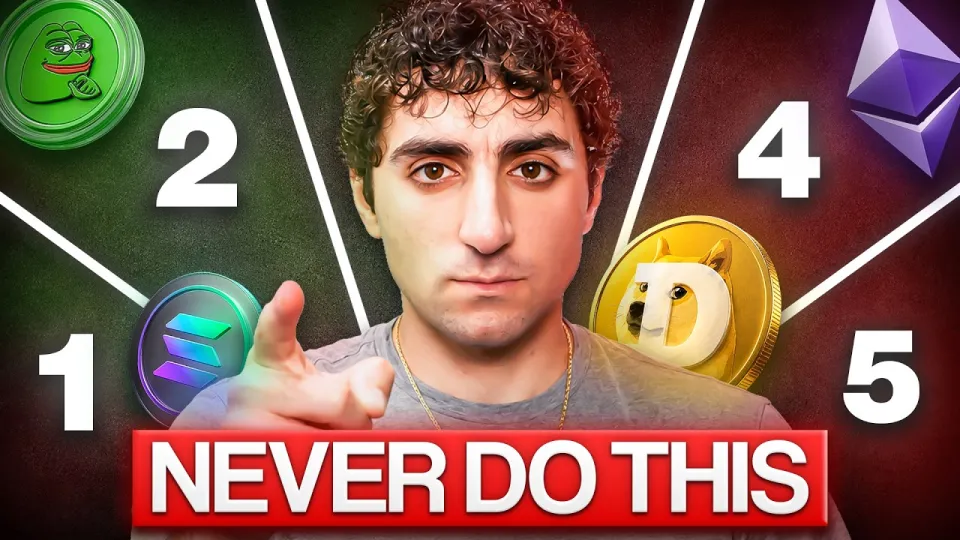
Video: 5 Things I Wish I Knew Before Trading Memecoins (Learn From My Mistakes)
You can order the same kind of articles for your own video to boost it on YouTube and Google. Just message the Telegram bot @sat_sit_bot. It writes articles around your video, embeds the video and publishes them on popular niche websites (no ads). Try it free: 50 articles on us.
· based on the channel rasmr
Key takeaways
- Meme coin trading is mostly a patience game, not a constant action game.
- Most beginners lose because they trade out of boredom, especially in bear markets.
- Buying during consolidation is often safer than chasing pumps after news.
- Position sizing and predefined exit rules matter more than picking the next 100x.
- The rasmr video breaks down five mistakes traders wish they had avoided early.
Meme coin trading can be profitable, but only if you treat it as a risk-management discipline rather than a lottery. The core answer is simple: size positions small, wait for consolidation instead of chasing pumps, define exits before entry, and never trade just because you are bored. The rasmr video “5 Things I Wish I Knew Before Trading Memecoins” walks through the mistakes that cost beginners the most, and this guide expands on those lessons with practical rules you can apply today. If you want to trade with a platform that supports quick entries and exits, you can sign up on fomo.family via rasmr’s referral link and get access to the tools he uses.
Why patience beats action in meme coin trading
The most common reason traders lose money on meme coins is not bad picks but unnecessary activity. As one viewer noted, trading out of boredom during a bear market wiped out an entire portfolio. Meme coins are volatile and narrative-driven, so forcing trades when there is no clear setup usually leads to buying tops and selling bottoms. Patience means waiting for the market to come to you: a consolidation range, a clear breakout with volume, or a retracement to a support level. If you feel the urge to trade just to feel productive, close the chart and come back later. The best meme coin traders are not the ones who trade every day but the ones who wait for high-probability setups and size accordingly.
The five mistakes rasmr warns about
In his video, rasmr distills the lessons he wishes he had known before trading meme coins. While the exact phrasing is his, the themes are universal: (1) chasing pumps after a coin has already gone parabolic, (2) ignoring position sizing and risking too much on a single trade, (3) trading without a plan for taking profits or cutting losses, (4) letting emotions like fear of missing out drive decisions, and (5) trading out of boredom rather than waiting for a clear signal. Each of these mistakes compounds: chasing leads to oversized positions, which leads to emotional exits, which leads to revenge trading. The fix is to build a checklist before every trade and stick to it. For example, ask yourself: Is this coin in consolidation or already extended? What is my max loss on this trade? Where do I take profit? If you cannot answer these questions, you are not trading—you are gambling.
How to time entries: consolidation vs. news-driven pumps
A viewer asked whether it is better to buy during consolidation or wait for confirmation like good news. The short answer: buying during consolidation is generally safer because you can define your risk more precisely. When a meme coin is ranging, you can place a stop-loss just below the range low and set a target at the range high or a breakout level. News-driven pumps, on the other hand, often happen after the price has already moved, leaving you with a poor risk-reward ratio. That said, not all consolidation leads to a breakout—some coins fade away. So combine consolidation entries with volume analysis: if volume is drying up and the price is holding a support level, a breakout may be near. If volume is spiking without price movement, it could be distribution. Always wait for a confirmed close above resistance before adding size, and never buy solely because a coin is “due” for a pump.
Risk management rules that keep you in the game
Risk management is the difference between a bad week and a blown account. A common rule among meme coin traders is to risk no more than 1–2% of your portfolio on any single trade. Because meme coins can drop 50% in hours, position sizing must account for volatility: if your stop-loss is 30% away, your position should be small enough that a 30% loss does not hurt your overall portfolio. Another rule is to take profits in tranches—sell 25% at 2x, 25% at 3x, and let the rest run with a trailing stop. This locks in gains while keeping upside. Finally, never add to a losing position; averaging down on a meme coin that is dumping is how small losses become catastrophic. Write these rules down and review them before every trade.
Common questions from new traders
New traders often ask whether they should trade meme coins at all, and if so, how to start without losing everything. The honest answer is to start with a small amount you are prepared to lose entirely, treat it as tuition, and focus on learning the process rather than making money. Another frequent question is how to identify a meme coin that might pump. There is no reliable formula, but coins with active communities, increasing holder counts, and listings on multiple exchanges tend to have more staying power. However, past performance does not guarantee future results. A third question is about timing: should you buy when a coin is trending on social media? Usually by the time a coin is trending everywhere, the easy money has been made. It is better to look for coins with growing but not yet mainstream attention. Lastly, many beginners wonder how to handle the emotional rollercoaster. The answer is to automate as much as possible: set alerts, use limit orders, and step away from the screen. Trading should not feel like a slot machine.
Building a repeatable process for meme coin trades
A repeatable process turns meme coin trading from gambling into a skill. Start by defining your universe: which coins do you follow, and why? Then create a checklist for entries: consolidation range, volume pattern, and a catalyst if any. Define your exit before you enter: take-profit levels and stop-loss. After each trade, journal what worked and what did not. Over time, you will notice patterns in your own behavior—like the tendency to overtrade when bored. The rasmr video emphasizes learning from mistakes, and the best way to do that is to review your trades regularly. If you are just starting, consider using a platform that makes it easy to track your positions and manage risk; the fomo.family referral link from rasmr gives you access to a trading environment designed for speed and simplicity.
Final thoughts
Meme coin trading is not about catching every pump; it is about surviving long enough to catch the few that matter. The lessons from rasmr’s video—patience, risk management, and avoiding boredom-driven trades—are simple but hard to follow consistently. By focusing on process over outcomes, you can avoid the mistakes that wipe out most beginners. If you are ready to trade with a platform that supports quick execution, use the fomo.family registration link to get started. Remember that the goal is not to get rich overnight but to build a sustainable approach to a highly volatile market.
Questions & answers
Is meme coin trading just a patience game?
Largely, yes. Many experienced traders emphasize that waiting for clear setups and avoiding unnecessary trades is more important than constantly being in the market. Patience helps you avoid FOMO-driven entries and boredom trading, which are common causes of losses.
Should I buy a meme coin during consolidation or wait for news?
Buying during consolidation often offers a better risk-reward because you can set a tight stop-loss below the range. News-driven pumps can be risky as the price may already be extended. However, always wait for confirmation like a breakout with volume before committing size.
How much should I risk on a single meme coin trade?
A common rule is to risk no more than 1–2% of your portfolio per trade. Because meme coins are highly volatile, position sizing should account for the distance to your stop-loss. Never risk more than you can afford to lose entirely.
What is the biggest mistake new meme coin traders make?
Trading out of boredom or FOMO is often cited as the biggest mistake. This leads to chasing pumps, oversizing positions, and ignoring risk management. Sticking to a plan and only taking high-probability setups can help avoid this trap.
Source: 5 Things I Wish I Knew Before Trading Memecoins (Learn From My Mistakes) · Markdown version